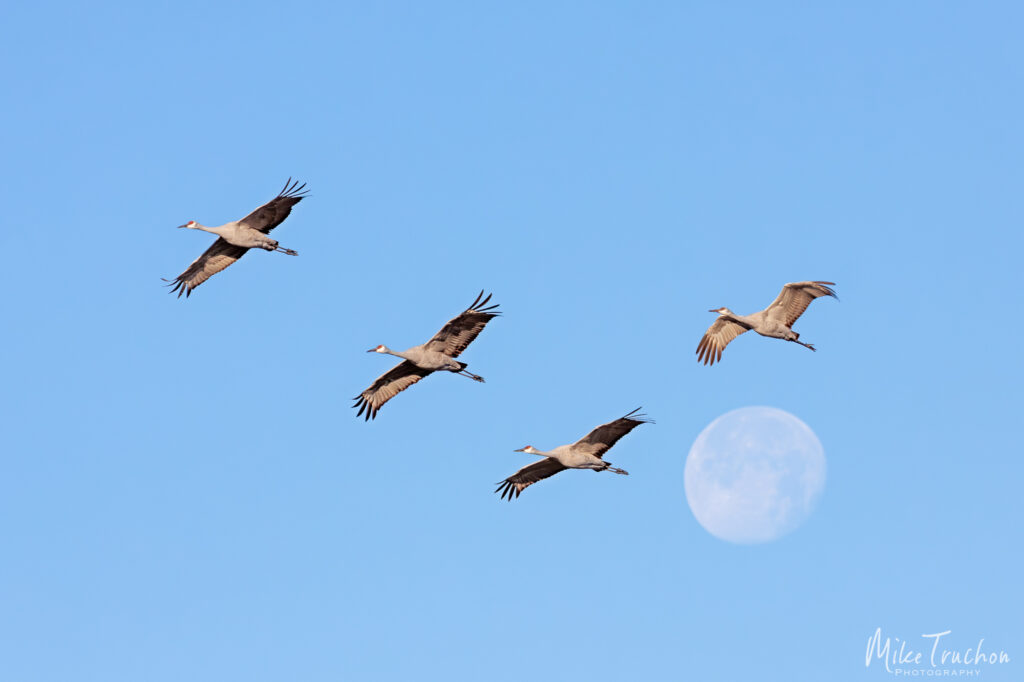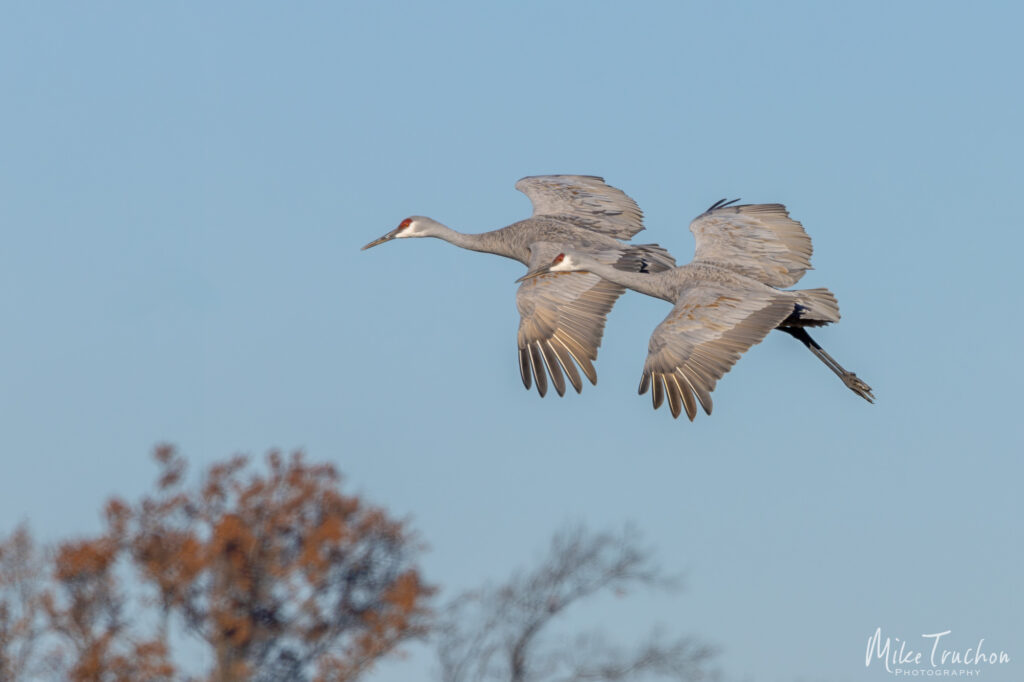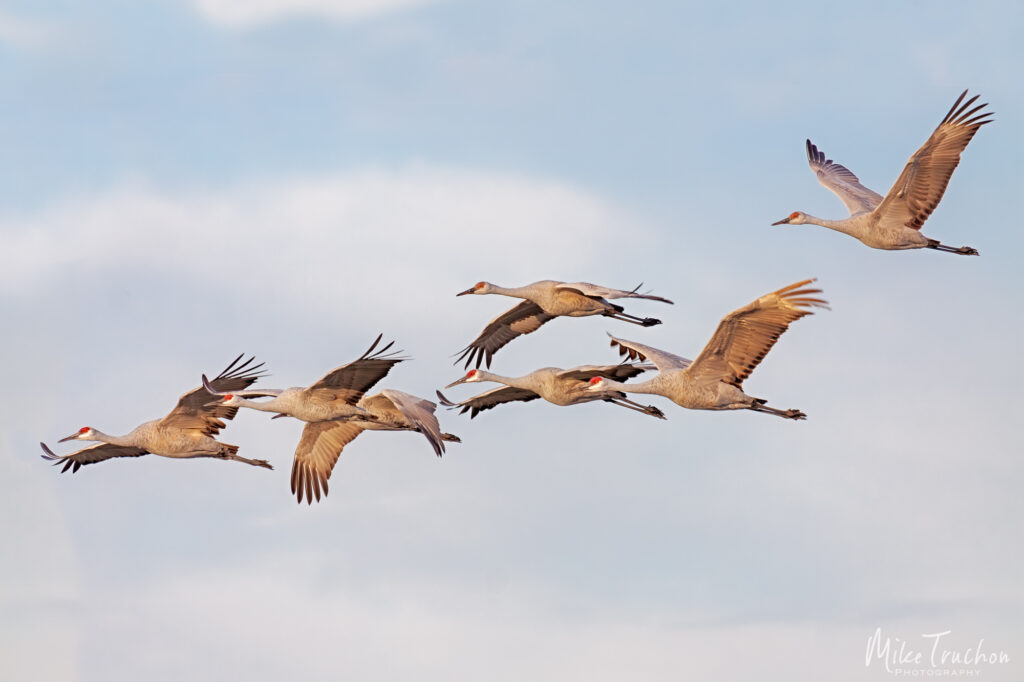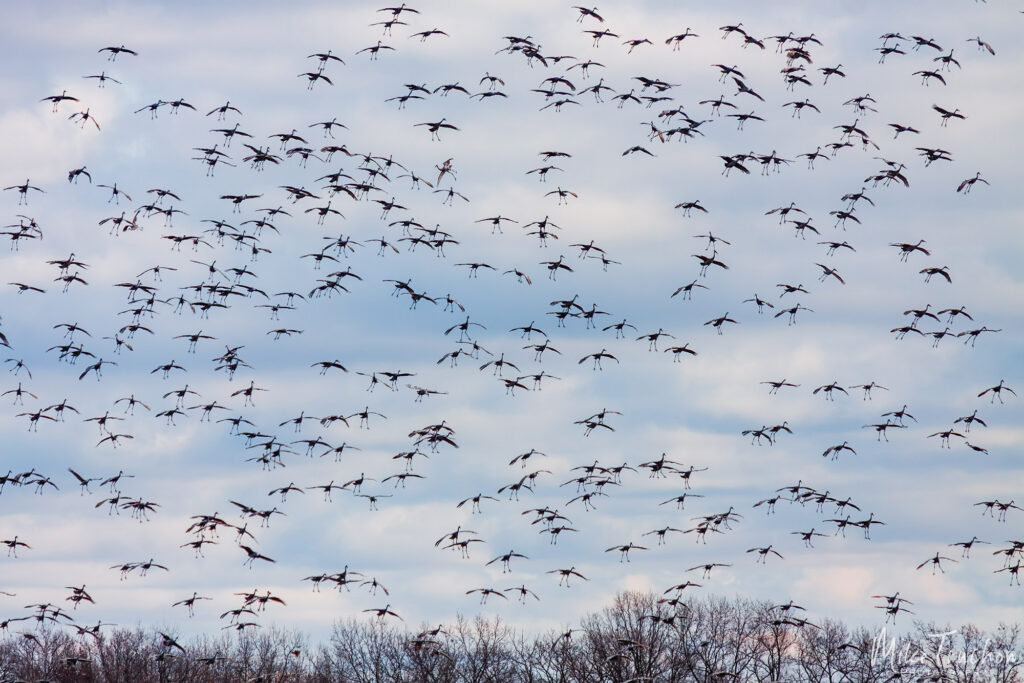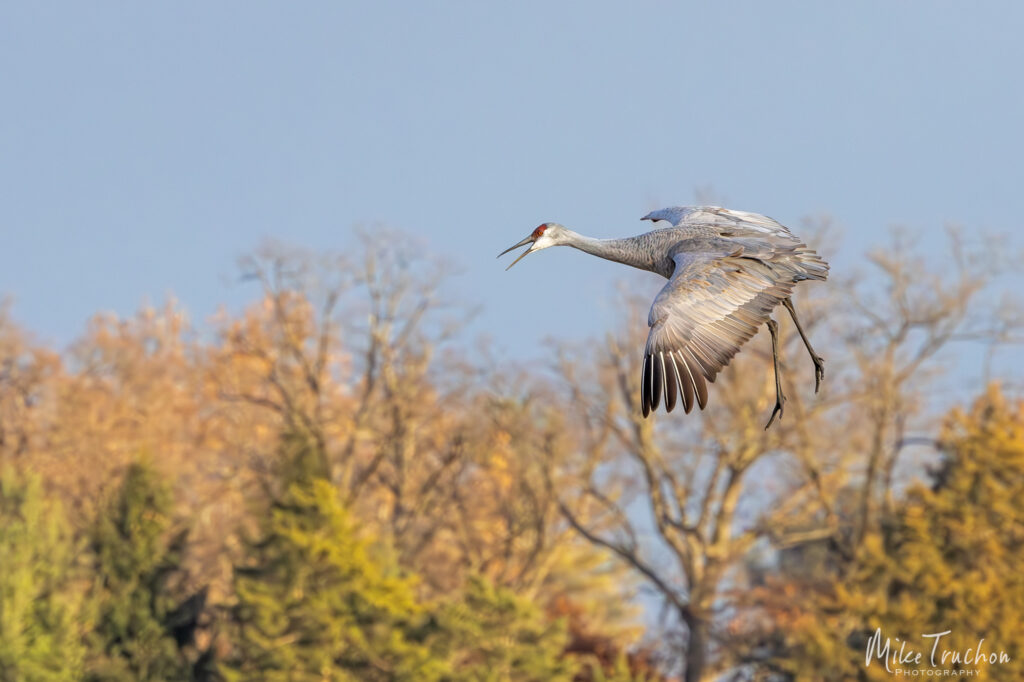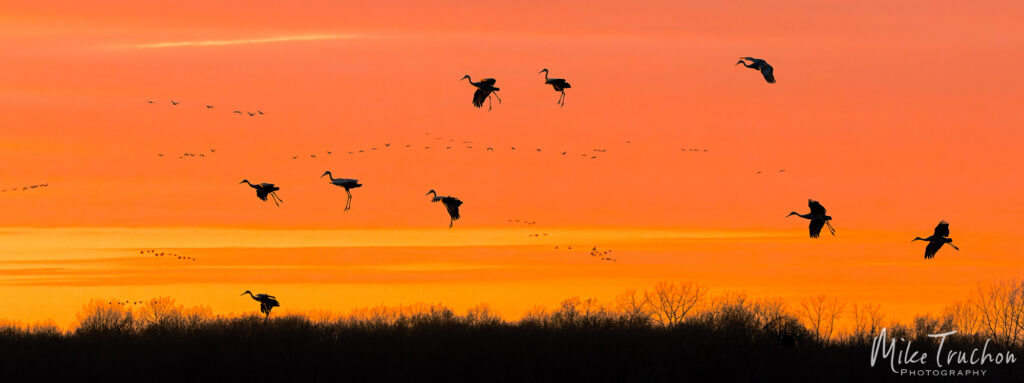
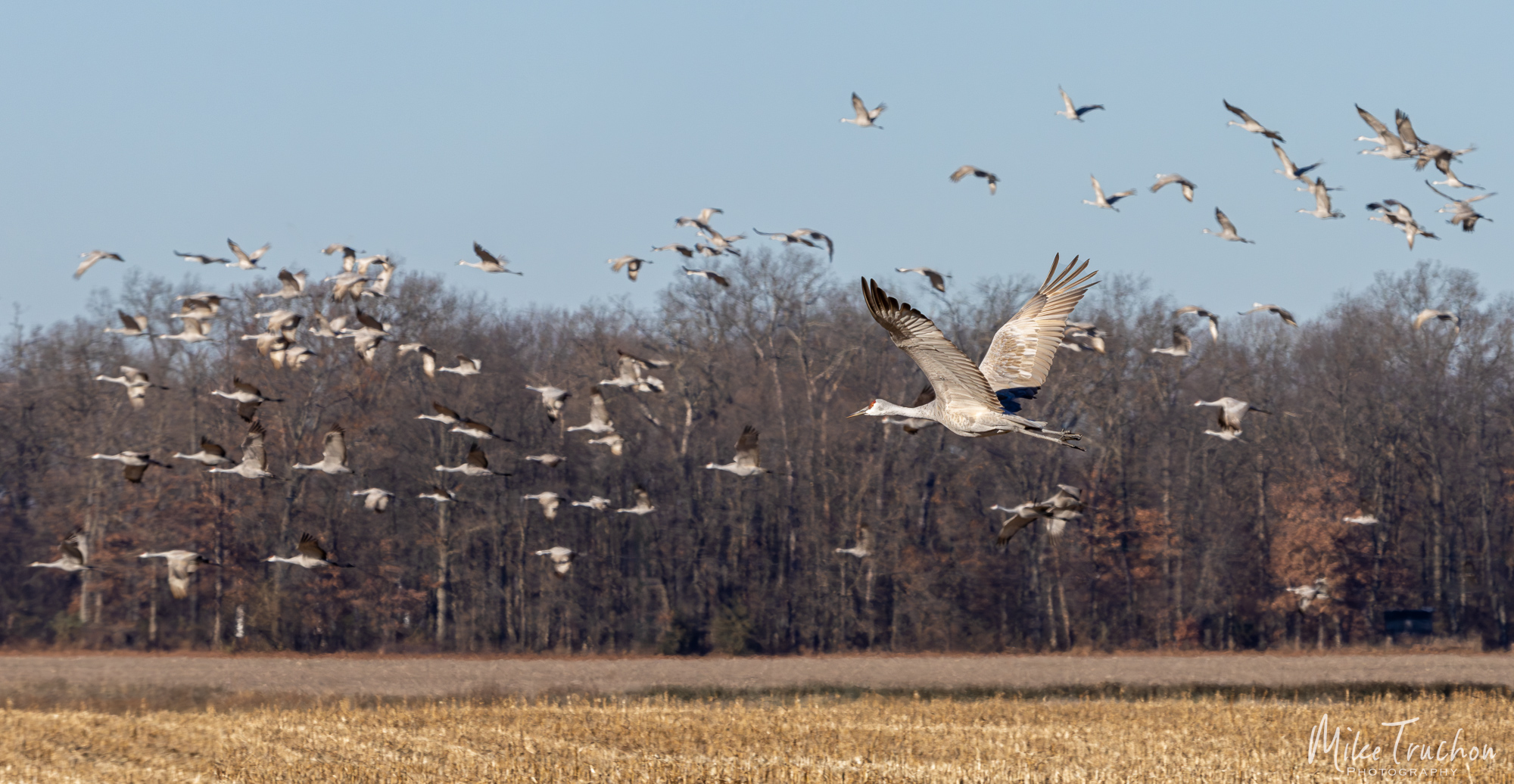
Every fall one of the most remarkable wildlife spectacles comes alive in north central Indiana at Jasper Pulaski Fish & Wildlife Area. Thousands of sandhill cranes arrive in boisterous groups, circling and parachuting into the shallow marshes and fields of Jasper-Pulaski. The view is reminiscent of a bygone era when humans had not yet impacted the natural environment.
The Jasper Pulaski Fish & Wildlife Area encompasses over 8,000 acres of wetlands, upland forest, and leased crop rows. The area land acquisition began in 1929 and by the 1930s, it was designated as a game farm and game preserve. In the mid 1960s, the area was designated as a fish and game area. Today Jasper Pulaski is a refuge for the largest concentration of sandhill cranes east of the Mississippi River. For this short time in autumn, Jasper Pulaski is a primary rest stop during their migration to Florida.
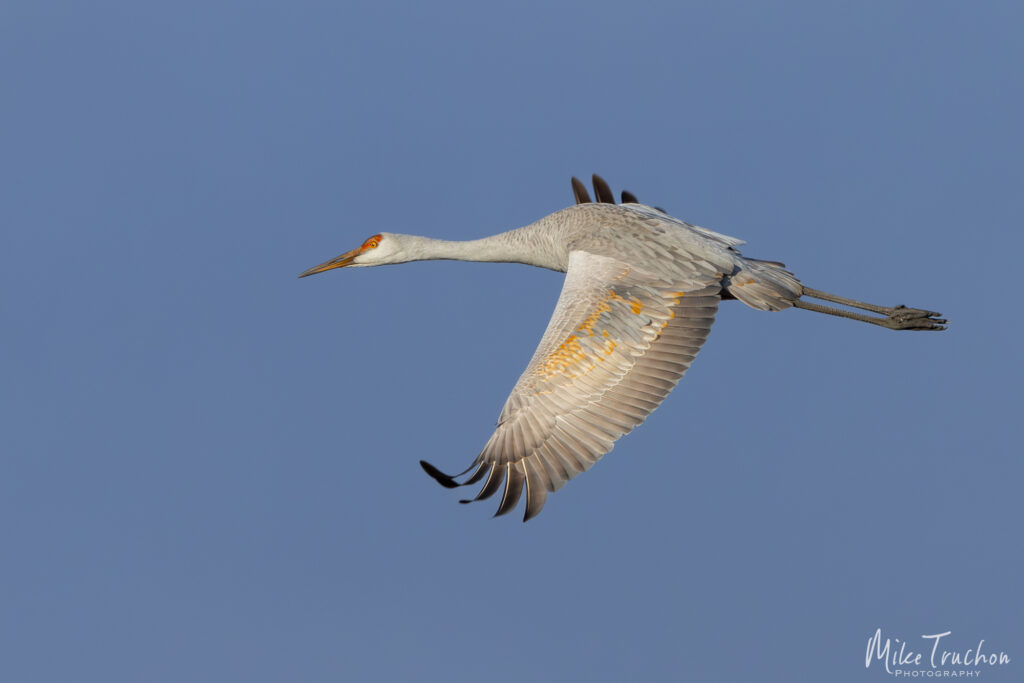
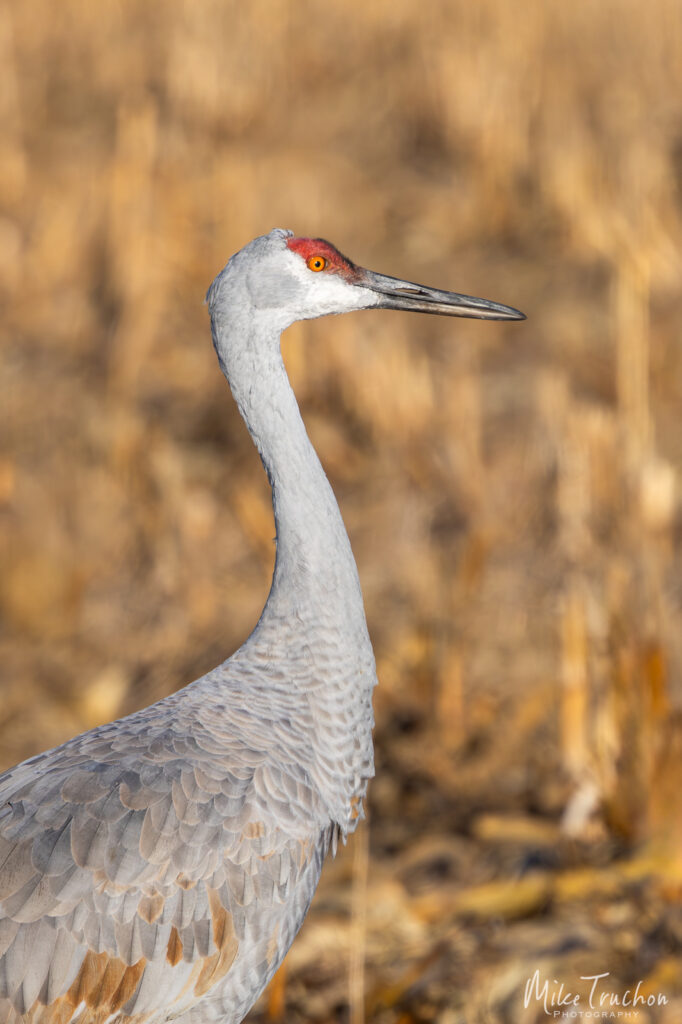
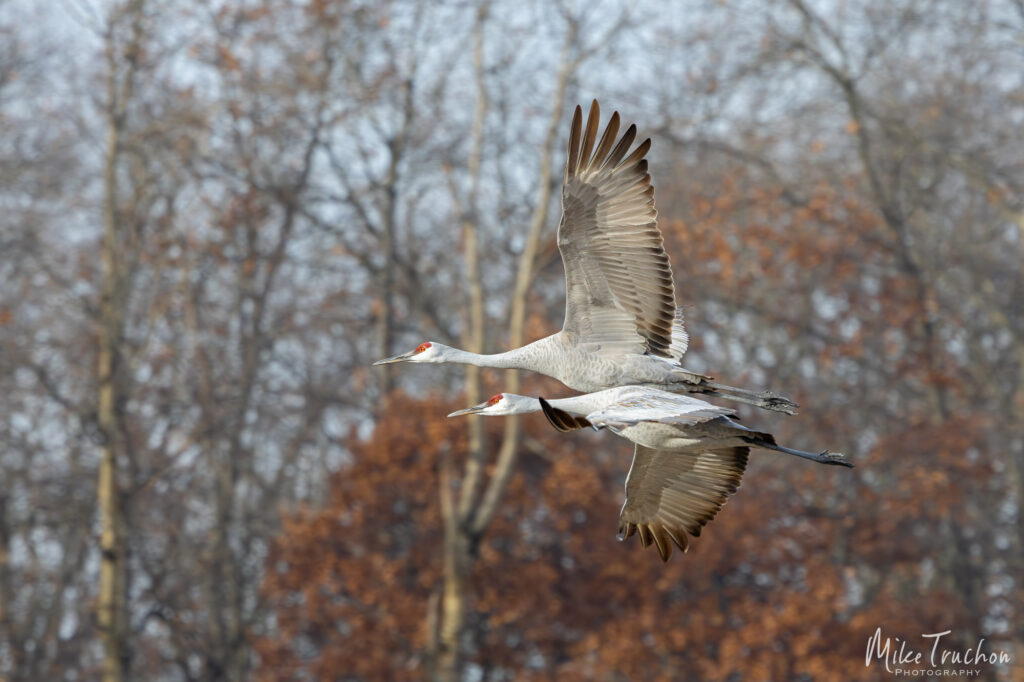
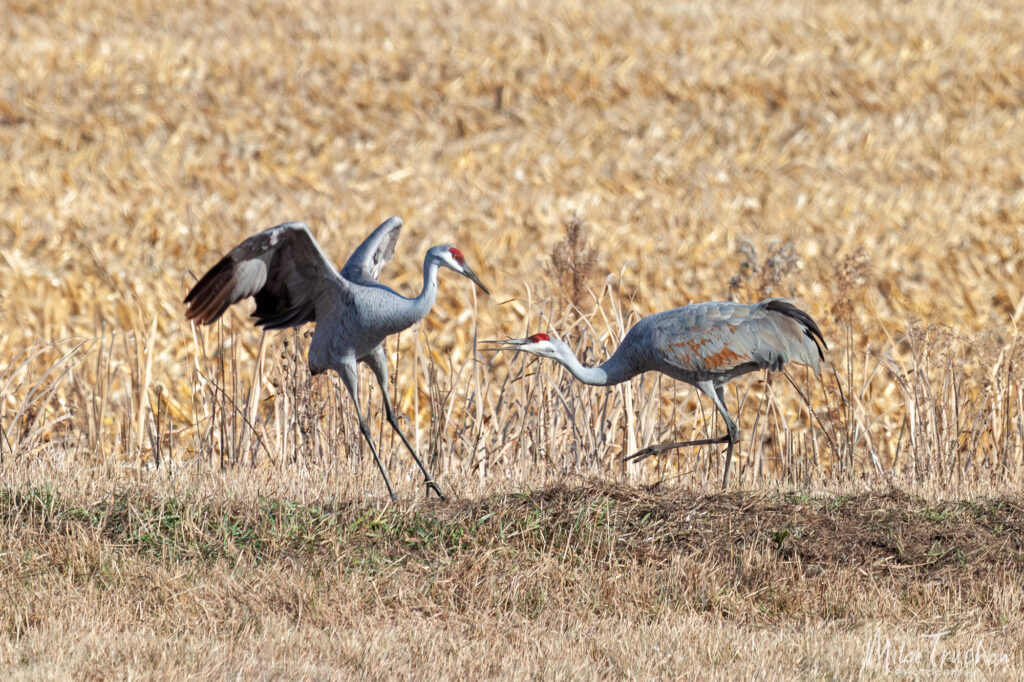
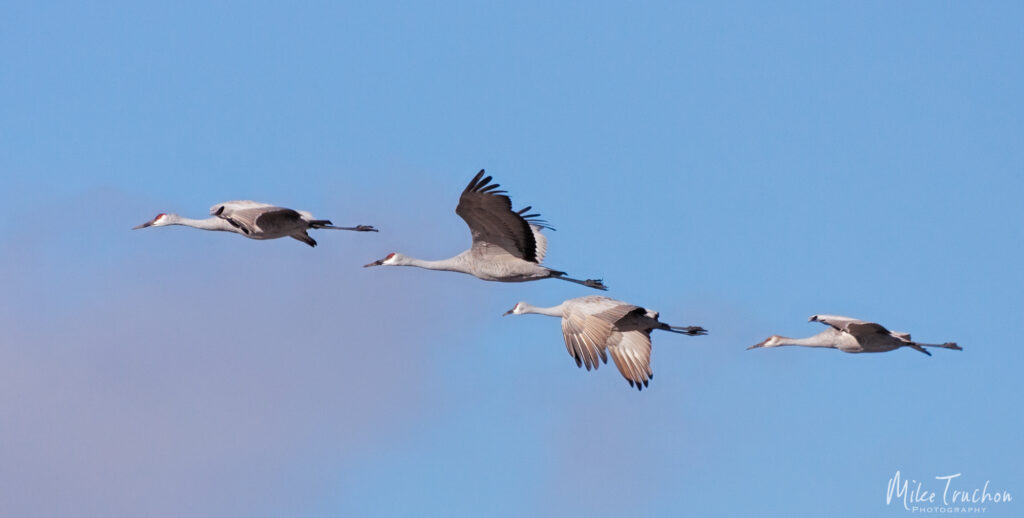
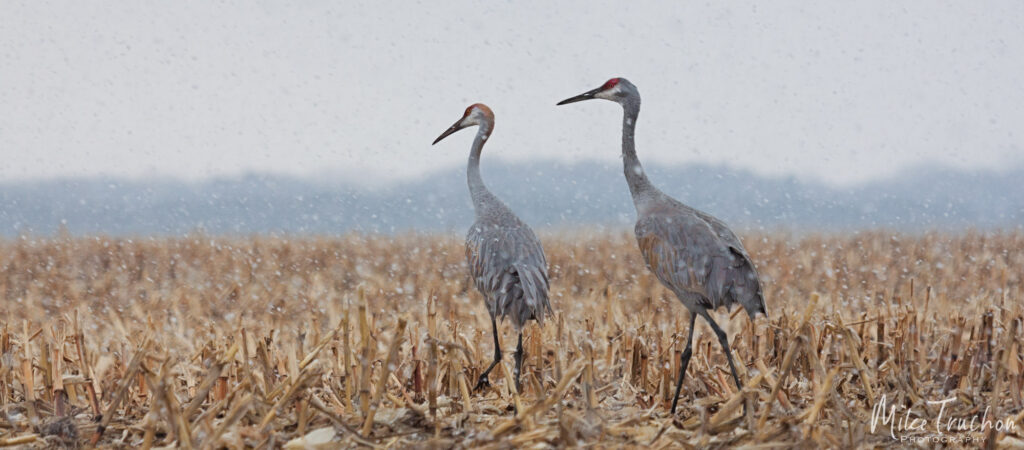
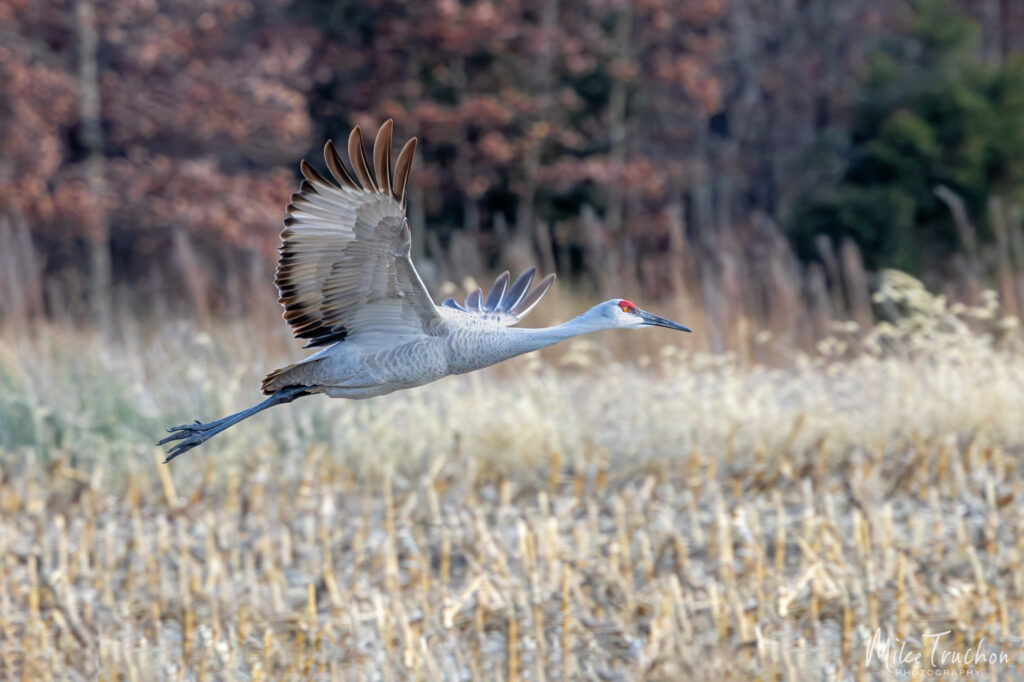
Sandhill cranes average 40 to 48 inches tall with a wing span of six to seven feet. Their crimson-cap, gray body, bushy tuft of rump feathers and long black legs make them easily identifiable. Whether on the ground or in flight their loud, rattling bugle calls are unmistakable. You may not see them overhead but you can certainly hear their unique rolling call.
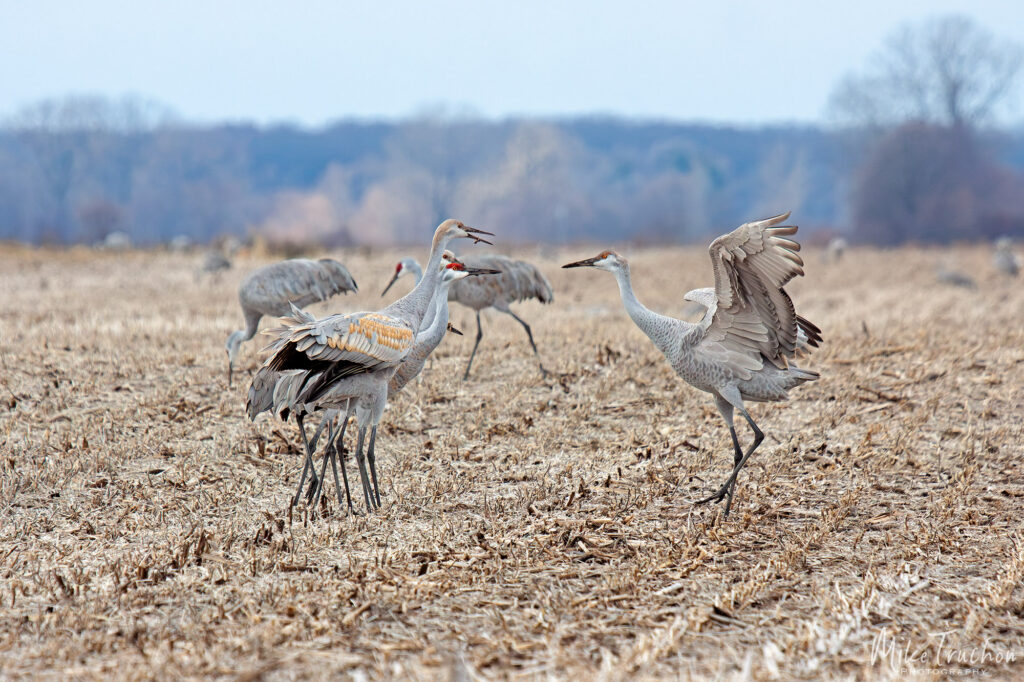
Sandhill cranes mate for life, choosing their partners based on courtship displays. These displays include wing stretching, bowing, dancing or the tossing of grass in the air. The cranes breed and nest in wetlands typically having two nestlings. Mated pairs and their juvenile offspring will stay together all through the winter. In the fall when they migrate south, the family units group together with other families and non-breeders and form groups that can reach tens of thousands. Jasper-Pulaski provides a vital stopover during migration that has abundant food sources for these massive groups of birds.
Nearly gone from the Midwest, sandhill cranes are a conservation success story, brought back from the brink through decades of protection and habitat restoration. Now with rising temperatures caused by climate change and decreasing wetlands, their fate may be in question once again. This means it becomes particularly important to conserve and restore wetlands to allow these birds to flourish.
Enjoy the photographs of the sandhill crane as they gathered at Jasper Pulaski Fish & Wildlife Area to understand why places like this matter.